


Buy Toys and Games That Encourage Imagination and Skill Development
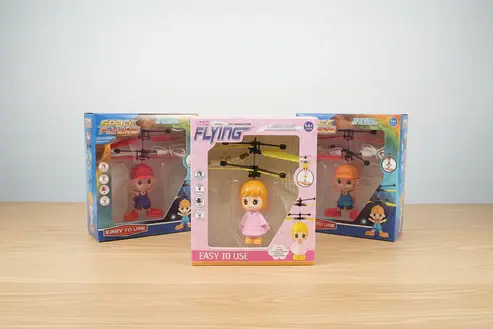
Toys and games play a major role in a child’s growth, creativity, and learning experience. Beyond entertainment, the right products can help children develop problem-solving abilities, communication skills, coordination, emotional understanding, and imaginative thinking.
Parents today are increasingly looking for educational and engaging products that support healthy development while keeping children active and entertained. Children learn naturally through play.
Whether building structures, solving puzzles, creating stories, or participating in group activities, play-based learning encourages curiosity and cognitive growth in ways traditional learning methods often cannot.
Families who carefully buy toys and games designed for both fun and education can help children build valuable life skills from an early age.
Why Imaginative Play Is Important
Imaginative play allows children to explore ideas, emotions, and real-world situations creatively. Activities involving pretend play, storytelling, role-playing, and creative construction stimulate brain development while improving social and emotional skills.
Through imaginative activities, children often learn how to:
Express emotions confidently
Improve communication skills
Improve communication skills
Develop problem-solving abilities
Strengthen decision-making skills
Build creativity and innovation
Enhance concentration and patience
Creative play also encourages independent thinking while helping children adapt to new situations and challenges.
Educational toys that inspire imagination often remain valuable for longer periods because children continue discovering new ways to use them as they grow.
Educational Toys Support Skill Development
Modern educational products are designed to combine entertainment with developmental benefits. These toys encourage children to learn through hands-on experiences while making the process enjoyable and engaging.
Some popular educational categories include:
Building and Construction Sets
Construction toys help improve fine motor skills, spatial awareness, and logical thinking. Children learn planning, structure, and creativity while assembling different designs.
Puzzle Games
Puzzles strengthen concentration, memory, and problem-solving abilities. They also encourage patience and persistence while helping children think critically.
Arts and Crafts Kits
Creative art activities support self-expression, hand-eye coordination, and imaginative thinking. Drawing, painting, and crafting also improve focus and creativity.
STEM Learning Toys
Science, technology, engineering, and mathematics toys introduce children to technical concepts through interactive learning experiences.
Parents who carefully buy toys and games with educational value often create stronger opportunities for long-term learning and development.
The Role of Physical Activity in Play
Active play is equally important for healthy development. Toys that encourage movement help children improve coordination, balance, and overall physical fitness.
Examples include:
Outdoor sports equipment
Ride-on toys
Activity-based games
Balance and coordination toys
Interactive movement games
Physical activities support muscle development while helping children stay energetic and engaged away from screens.
Combining active play with creative learning provides a more balanced developmental experience for growing children.
Quality and Durability Matter
Children often use toys daily, making durability an important factor for parents. High-quality products generally provide better safety, longer lifespan, and improved value over time.
Well-made toys are more likely to withstand:
Frequent use
Outdoor play
Rough handling
Repeated assembly and disassembly
Parents should look for products made from durable, child-safe materials with secure construction and reliable design standards.
Families who regularly buy toys and games from trusted retailers often prioritize product quality alongside educational value.
Balancing Screen Time with Interactive Play
Digital entertainment has become a major part of modern childhood, but interactive physical play remains essential for healthy cognitive and emotional development.
Hands-on toys and games encourage:
Active engagement
Creative thinking
Physical movement
Face-to-face interaction
Independent learning
Reducing passive screen time and encouraging creative play can support stronger focus, communication, and emotional development in children.
Interactive learning experiences also help children stay curious and motivated while developing important real-world skills.
Supporting Long-Term Learning Through Play
Children retain information more effectively when learning feels enjoyable and interactive. Educational play encourages curiosity and creates positive learning habits that may continue throughout life.
Parents who intentionally buy toys and games that support imagination and skill development often help children strengthen creativity, confidence, and independent thinking abilities.
The right products can support:
Early learning
Emotional growth
Motor skill development
Social interaction
Academic readiness
Creative exploration
Play-based learning provides children with opportunities to discover new interests while building practical life skills in an engaging and enjoyable environment.
Encouraging Creativity Every Day
Toys and games are far more than simple entertainment products. They play a meaningful role in helping children develop intellectually, emotionally, socially, and physically.
By choosing products that encourage creativity, active participation, and educational engagement, parents can create positive learning experiences that support healthy long-term development.
Families who thoughtfully buy toys and games designed for imagination and skill building can help children grow into more confident, curious, and capable learners while making playtime both meaningful and enjoyable.


Comments